Can dogs eat green beans or are they toxic?
Green beans are real mineral powerhouses for both humans and animals, as they contain comparatively high amounts of potassium, magnesium, selenium, fluoride, and zinc. They are also rich in B vitamins, especially vitamin B12. They are also known as plant-based protein sources just like →lentils and are popular, but there are some things to keep in mind when feeding beans to our dogs. You should only ever offer beans cooked or steamed to your four-legged friend, as unripe green beans or raw legumes can instead be toxic in effect.
How to properly feed green beans to your dog
If you want to feed your dog some green beans, you should wash them thoroughly first and then steam or cook them. Also cut off the tip with the stem base and remove the string along the seam if necessary. Chopped into small pieces and mixed into their food, they can be a healthy addition to the bowl.
Green beans can also be found as a component in dry or wet food . Rich in plant-based protein and fiber, they make a nutrient-rich addition to food. That's why green beans are also a must-have in our "Superfoods" Angus Beef dry food . Along with carrot, tomato, zucchini, and cauliflower, green beans are naturally one of the 5 selected and regional superfoods in this dry food.


Packed full of good ingredients – our "Superfoods" Angus Beef dry food
When are green beans toxic for dogs?
Green beans or legumes in general can be toxic for your dog if they are eaten raw and/or are still unripe . Uncooked beans contain the active substance phytohemagglutinin (PHA, also called phasin), which →can be toxic for our four-legged friends. Phasin causes red blood cells to clump together in the body, which, depending on the amount consumed, can lead to bleeding in the gastrointestinal tract of your dog.
If your four-legged friend belongs to the larger breeds, you don't need to worry if your dog sneaks a green bean off the garden bush. Maybe they'll just get an upset stomach and →diarrhea. It's a different story with larger quantities consumed or if your furry friend is one of the →smaller dog breeds. Here you should be more cautious, because due to their lower body weight, poisoning occurs much more quickly in them.
Typical symptoms of poisoning from raw beans include →vomiting, →abdominal cramps, (bloody) diarrhea as well as fever, restlessness, and lethargy. Ideally, you shouldn't wait until symptoms appear, but instead contact your veterinarian directly. Sometimes a phone call is enough, as even over the phone vets can often assess well what needs to be done.
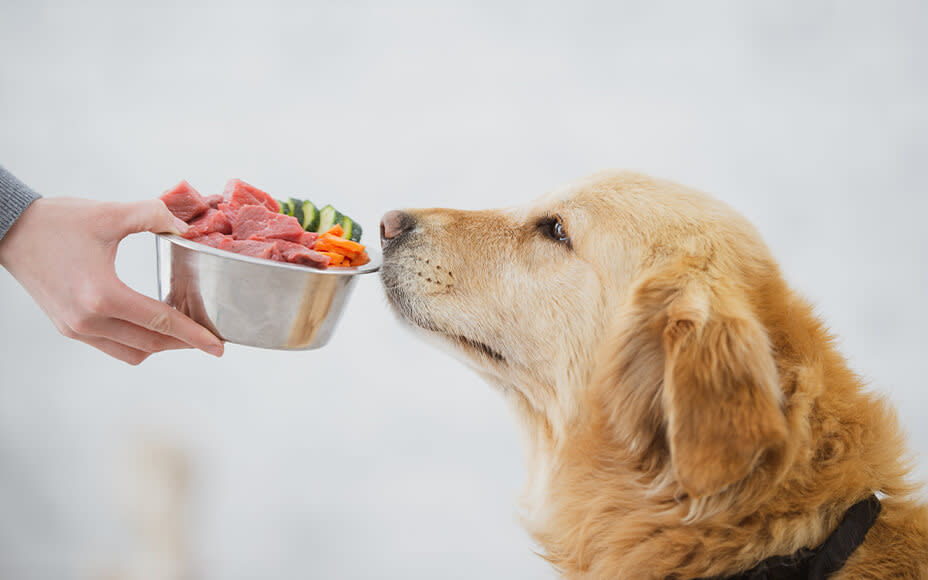
When properly prepared, many types of vegetables and fruits can be fed to your dog. However, beans should always be cooked or steamed beforehand.
Which beans are safe for dogs?
Besides green beans, there are also other types of beans that are edible for dogs. Some of the best-known, which are well tolerated and nutritious for dogs, include:
Black beans
Butter beans or lima beans
Chickpeas
Green beans or string beans
Pinto beans
Bean sprouts
Kidney beans
With these beans too, you should pay attention to proper preparation. Most of them need to be soaked overnight and cooked the next day. Young garden beans or young string beans as well as bean sprouts can be fed raw in small amounts. However, as with all legumes, they are easier to digest if you cook them first.
If you love fresh ingredients and want to feed your dog more with real vegetables and raw meat then the →BARF concept is definitely something for you. Before you start, you should get well informed to ensure your dog gets enough nutrients. If you're looking for an easy introduction to raw feeding, try our "Fresh Menus" . Refined with our mineral mix and a high-quality oil, we make BARFing easier for you and give your dog the ultimate nutrient freshness in their bowl!
You'll love to try BARF!
Every bean makes a tune...
...or something like that. The fact is, green beans are flatulent and can sometimes upset your dog's stomach. That's why you should always feed only a small amount of beans, especially if your four-legged friend doesn't usually eat legumes.
If you're unsure, there are also →plenty of other vegetables you can feed your dog worry-free and easily. →Carrots for example, are great as a raw snack in between. Also →pumpkin, →broccoli or fennel can be a nutrient-rich addition to your dog's food when steamed or cooked.