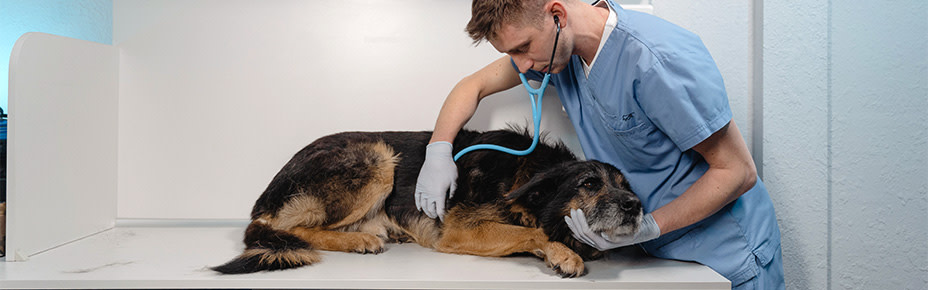
Causes of Liver Diseases in Dogs
The liver is a vital organ that plays a central role in metabolism and detoxification of the body. Just like in humans, dogs can also suffer from liver diseases. The reasons for this are varied:
Genetic Predisposition
Some dog breeds have a genetic susceptibility to liver diseases. These include, for example, the →Labrador Retriever, the →Cocker Spaniel, and the →Doberman.
Toxins and Poisoning
Intake of toxic substances such as heavy metals, [→certain plants](/magazin/hunde/hunde-gesundheit/diese-dinge-sind-giftig-fur-deinen-hund), medications, or chemicals** can lead to liver damage.
Also, [→poisoning from bait](/magazin/hunde/hunde-gesundheit/giftkoder-fur-hunde) with rat poison, snail bait, or similar substances can cause lasting liver damage in dogs.
Infections
Viral or bacterial infections can affect the liver. Leptospirosis is one such bacterial infection that can damage the liver.
Malnutrition
Malnutrition or →improper diet can lead to liver problems. Excessive intake of certain nutrients can also be harmful.
Parasites
Liver parasites such as Leishmania can impair liver function and lead to diseases.

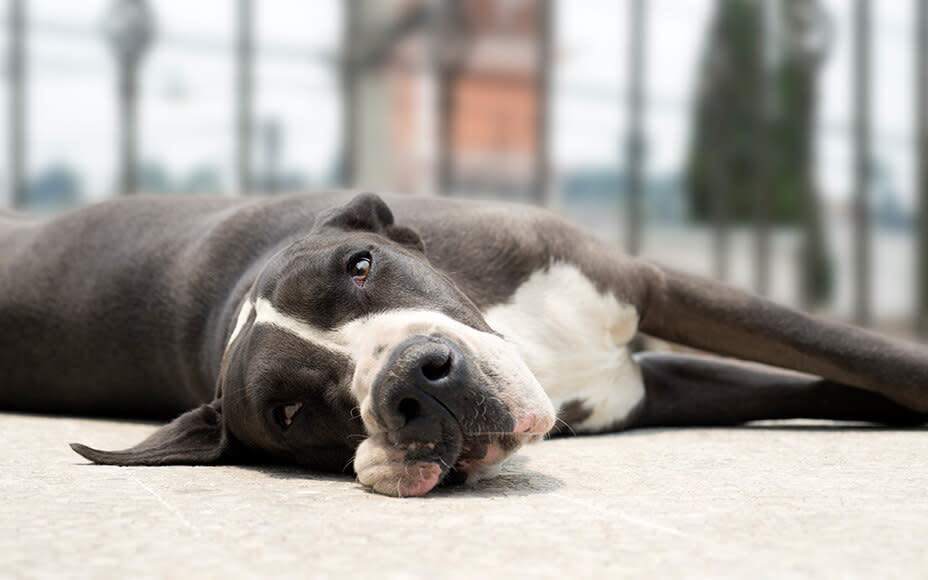
[TRANSLATION ERROR] Dein Hund wirkt ungewöhnlich ruhig, abgeschlagen und frisst schlecht? Dann ab zum Tierarzt! Je früher Krankheiten erkannt werden, desto besser sind die Heilungschancen.
Symptoms: How do I recognize a liver disease?
As with all diseases, the symptoms can vary widely. If you suspect that something is wrong with your dog, we recommend that you consult a veterinarian.
Common signs of liver disease in dogs include:
- Loss of appetite: Dogs with liver problems may show a sudden loss of appetite.
- Vomiting and diarrhea: Frequent →vomiting and →diarrhea can indicate liver disease.
- Jaundice: Yellowing of the skin, eyes, and mucous membranes is often a clear sign of liver problems.
- Weight loss: Unplanned weight loss can indicate impaired nutrient absorption by the liver.
- Behavioral changes: Lethargy, restlessness, or disorientation can be signs of liver diseases.
Treatment Options
The earlier the diagnosis is made, the better liver diseases in dogs can be treated. Depending on the condition, the treatment methods vary. In any case, treatment by veterinarians is necessary.
Veterinary Diagnosis
First, a precise diagnosis by your trusted veterinarian is made. Often, blood tests, imaging, and liver biopsies are performed to determine the type and severity of the disease.
Medication Therapy
Depending on the cause of the liver disease, medications may be prescribed to reduce inflammation, treat infections, or improve bile flow.
Surgical Interventions
In some cases, surgical removal of liver cysts or tumors may be necessary.
Diet Management
A special diet is often a key element of treatment. Certain dietary supplements can also help support liver function. Your treating veterinarian will provide guidance on this. You can also consult dog nutritionists if you are unsure.
Behandlungsbegleitend unterstützen: Unsere VET Linie für kranke Fellnasen


Nutrition for Liver Diseases
Often, an adjusted diet for dogs suffering from liver disease is unavoidable. However, it is crucial to emphasize that the precise diagnosis and corresponding treatment should be conducted by a veterinarian.
For dogs with liver disease, attention should often be paid to the following:
- Easily digestible food: An easily digestible diet reduces the burden on the liver. High-quality, easily digestible food like our →"VET" Liver and Kidney Fit is recommended.
- Protein control: A moderate amount of high-quality protein is important to meet the dog's protein needs without overloading the liver.
- Addition of antioxidants: Antioxidants such as vitamins E and C can help reduce oxidative damage in the liver. The administration of supplements should always be discussed with a veterinarian!
- Omega-3 fatty acids: Omega-3 fatty acids, especially from fish oil, can have anti-inflammatory properties and promote liver health.
- Fluid intake: Adequate fluid intake is important to support the liver's detoxification function.
If you suspect a problem, you should see a veterinarian as soon as possible. The sooner treatment starts and the diet can be adjusted, the better.