Buying a kitten: What you should look out for
You meet the furry friend of your dreams for the first time, it's love at first sight and you’re already picturing life with a purring, soft companion by your side? Unfortunately, it’s not quite that simple—and it shouldn’t be. When buying a cat, there are a few important things to consider. Of course, you don’t want to end up supporting irresponsible cat breeders or risky hobby breeding operations that don’t care about hereditary diseases, the well-being of the mother cats or the healthy nutrition of the kittens.
At first glance, it’s not always easy to tell who truly cares about the animals and who is just after quick money. That’s why it’s all the more important to know before buying a kitten how to spot a reputable breeder and why you should take a closer look at every online ad —only then will the →start with your kitten and its life as a pet be carefree. With our checklists we’ll guide you and give you tips so you’re well-informed and won’t fall for any sales tricks!
Buying a kitten from a breeder
If you have a specific cat breed in mind, usually the only option is to look for a kitten from a breeder. The problem is that anyone can call themselves a breeder—even if the really important requirements aren’t met.
But why requirements? With a certified breeder, breeding can’t just happen on a whim. The parent cats must meet certain standards and—most importantly—only healthy animals may be used for breeding. This greatly reduces the risk that your kitten will suffer from a hereditary disease.
To adopt your cat from a certified breeder, it’s important to look for certain characteristics of breeders so you can be sure it’s not just about breeding and selling cats. That’s why it’s so important that you thoroughly research the sellers before buying your kitten.

When buying a kitten, thorough research is essential to avoid accidentally falling into the trap of cat dealers or breeders.
Checklist: How to spot reputable breeders:
All kittens come with a microchip, a vaccination record with the necessary →vaccinations and proof of →deworming. You should also check that the stamps from the veterinary clinic are included.
Papers: Pedigree cats from registered breeders receive the appropriate certificates and can theoretically be used for breeding themselves.
To make the transition easier, you’ll receive enough food for the coming days, so your little cat doesn’t have to get used to everything at once. Reputable breeders will give you a kind of starter package for your pet and explain breed-specific feeding requirements. Are you a breeder and want to send your little ones off with a tasty package? Then sign up for our breeder program and save!→breeder program!
In general, reputable breeders should be able to tell you everything about the cat breed—whether it’s about →species-appropriate nutrition, →grooming or possible breed-specific diseases. It’s best to prepare a few questions and do some research on the breed yourself beforehand.
Membership in a pedigree cat club: Some breeders are members of one or more clubs, where they exchange information with other breeders. You can check in advance if someone is a member of such a club. While mere membership is not proof of a reputable breeder, it is at least an indicator.
The breeding facility has a studbook and a breeder’s license/kennel certificate. If there are more than two breeds and four litters per year you should be cautious. The mother cat may be bred no more than twice in 12 months →bred and breeding breaks must be observed.
In pairs: Reputable breeders know that cats are social animals and should not be kept alone. Ideally, they only let kittens go in pairs (if numbers allow).
When you buy, you receive a contract with all the details of the breeder and the purchase price.
Reputable breeders want you to visit several times and give you time to get to know your little pet before pick-up. They may even visit your home to be sure.
The mother cat is present and can be met.
Your pet is alert, playful, and has clear eyes—these are signs of good socialization and health.
The kittens and young cats are not raised isolated in a kennel but in the house or in their own “cat paradise” with safe equipment and enough space.
The environment where the kittens grow up appears clean, bright, and warm. There are enough clean litter boxes, food and water bowls, and toys on site.
The price should not be far below or above the average. Find out in advance what the cat breed should cost and ask questions if you notice discrepancies.
The breeders ask you about your situation: financial, spatial, time, and personal resources are important. A good breeder wants to be sure you can meet a cat’s needs and are ready for your own cat.
When you pick up your young kitten, it is at least 8 weeks old. Only then may it be separated from the mother cat. Usually, reputable breeders only let kittens go at 12 weeks.
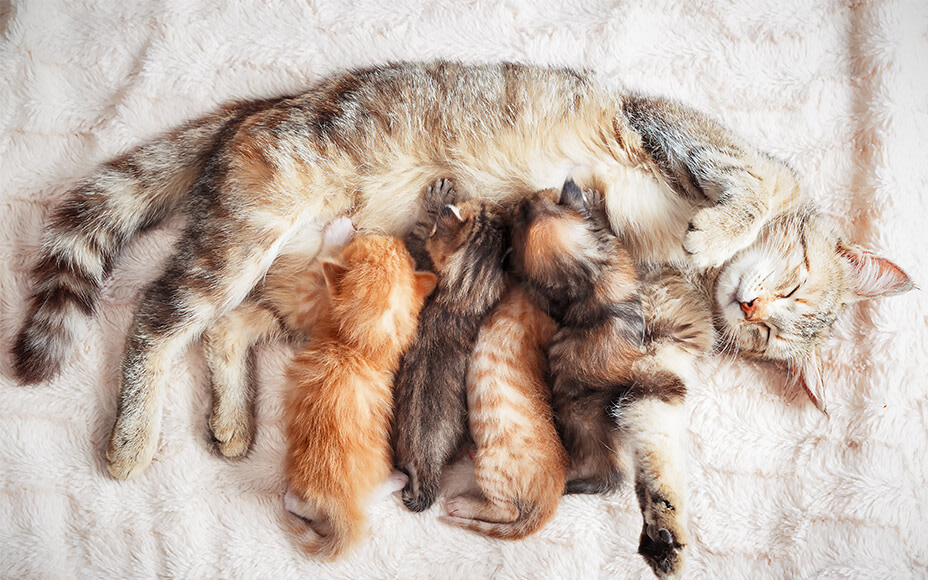
At 8 weeks, young cats are able to live independently. However, very reputable breeders only let the animals go at 10-12 weeks. Studies show that these kittens develop better and are healthier.
A little tip: Are you getting your kitten or young cat from a breeder? The little ones initially need →special food for juniors. Ask the previous owners what food they gave the kitten and, for a stress-free →food transition at first continue with the familiar food. Later you can switch to the new food.
The Best Start to a Four-Legged Life: Discover Our Healthy Junior Food
Buying cats from animal shelters or rescue organizations
Why buy a cat from a breeder when there are so many stray pets in the world or those who longingly wait in animal shelters pressing their noses against the fence every day? You don’t care if your cat is a specific breed and you’re ready to give a home to a kitten or a young or adult cat from a shelter? Wonderful! Still, you should pay attention to a few things here as well and the adoption organization should be well thought out and even better researched!
How to spot reputable animal shelters and rescue organizations:
The organization must be registered and ideally non-profit. An “e.V.” in the name stands for “eingetragener Verein” (registered association). You can find more about their non-profit status on their website, though this is mostly the case with German animal welfare organizations.
A look inside the shelter: If there’s a shelter nearby, check out the conditions for yourself. Many animal welfare organizations rely on donations and it’s normal not to find the newest equipment there. Still, all animals should appear healthy and have enough space, food, and other supplies .
A personal conversation on site: If you’re interested, no reputable organization will hand over a cat right away. First, you’ll be screened, answering questions about your living situation, time availability, and finances . Sometimes, landlord approval is even required.
If your kitten comes from abroad, you can only see pictures on the website or, for example, on Instagram and Facebook.
What do other owners say about the rescue organization? Reviews often show how satisfied others are with the adoption process.
At animal shelters or rescue organizations, there are not only young kittens but also adult cats. If you see only young animals you should be suspicious, as sometimes parent cats are abandoned on the streets abroad because rehoming them is more costly and time-consuming.
The organization is involved in other topics related to animal welfare and collects donations, for example, participates in projects, and provides educational work on their website.
Both domestically and abroad, you should adopt your kitten vaccinated, dewormed, and →microchipped. You’ll receive a vaccination booklet and the chip number as proof. For kittens and cats from abroad, a check for various →diseases is required and you’ll get an EU pet passport.
On site and online, you can check age, origin, character and traits, medical records, medical history and vaccinations given for the kitten.
The age: As with breeders, 8 weeks is the minimum age for adoption. If organizations rehome younger animals, that’s a violation of regulations and shows it’s about money, not successful placement. Cats from other EU countries may only travel at the earliest at 15 weeks old.
Shelters want you to meet the animal and show interest before pick-up. Multiple visits are often required. If it’s an overseas rescue, you’ll get regular updates and photos.
There is a protection or purchase contract. The so-called adoption fee is between 200 and 400 euros. You can be shown what the fee covers for your pet, and you’ll sign the contract upon adoption.
A loving home is the greatest dream for cats from the streets. But for some animal welfare organizations, it’s sometimes only about the money rather than the well-being of stray cats.
Especially for kittens from poor backgrounds, the new forever home is heaven on earth. In addition to healthy food, young cats are also happy about high-quality accessories, that can withstand their playfulness and bring joy.
Cozy caves, exciting toys, and much more: our accessories for cats
Buying kittens via classified ads from private individuals
Sometimes, while searching for a kitten online, you end up on private ads. Then you might wonder if adoption here is the right choice and whether there’s a risk of falling victim to breeders or the foreign pet trade .
Of course, it’s always better for your pet if it 1. comes from a controlled breeding background or 2. finds a new home after life on the street.
In addition to sellers on online platforms who mean well, are knowledgeable, or are even reputable breeders, there are also some who just want to sell kittens as quickly as possible and make money. The result is often sick animals, shady handovers, missing vaccination records, and no purchase contracts.
How to spot reputable classified ads from private sellers:
The sellers use reputable and verified online platforms. Certain standards must be met and checked by experts.
Sometimes, it’s not young kittens but cats that are already 6 months or older. Why do people want to give up their cat? Of course, an →allergy, a death, or another personal problem can occur. But often these excuses are used as a trick.
Private rehomers are also interested in your circumstances to ensure the kittens’ well-being. Like breeders, they’ll ask if you have enough space, time, and money for the cat. Sometimes, they’ll even visit your home to be sure.
How does the kitten seem on site? It should be trusting, playful, and healthy. Cloudy, →watery eyes and a wet nose should be a red flag.
Ask to see all documents for the important vaccinations, deworming, and a microchip. Reputable sellers will not give away kittens without such proof . For pedigree cats, there should be proof of lineage and breeding papers. If none of this can be provided, the animal likely comes from an unreputable breeder or, in the worst case, from a theft.
You can visit the sellers at home several times and, if possible, even meet the mother cat. The environment makes a clean, bright, and cat-friendly impression.
The same applies to the day of pick-up: If sellers suggest a handover at the door or even outside in public, you can be sure it’s about illegal animal trading.
The price is appropriate for the breed. If the offer is too cheap or too expensive, you can assume the sellers are just looking to profit and not to find a good home.
Purchase contract: In any case, even with a private sale, a contract should be drawn up so you can prove the pet is really yours.
If the kitten wasn’t born there, ask to see the previous purchase contract for the kitten and check it carefully.
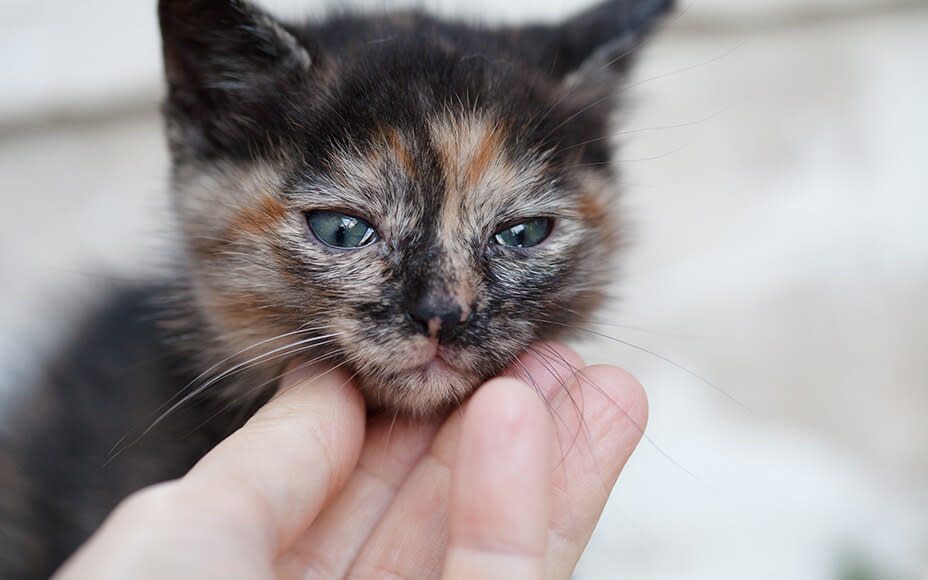
A private purchase of kittens and cats is possible if the sellers are interested in the well-being of the four-legged friends and meet certain conditions.
These documents and papers you’ll receive when buying a kitten
Animal rescue, breeder, or private—a purchase contract is mandatory and should be completed at the latest when the animal is handed over.
Take a close look at the purchase contract. It must include the following:
Name, address, and contact details of buyers and sellers
Name and breed of the cat
Date of birth (usually estimated for rescues)
Breeding book number (for breeders only)
Chip information
Date of handover
Details of vaccinations and deworming
Purchase price and payment method
Take all the time you need and check the contract carefully. Your kitten is a living being, and too often people try to make as much money as possible from our beloved pets. Sometimes love at first sight can be deceiving, and it may take a while until you find the reputable rescue organization or breeder you trust.