7 vital ingredients for fit dogs
→Broccoli, →Potato, Quinoa & Co - these are all ingredients that are bursting with important vitamins, minerals, or proteins and because we know this, we naturally use them in our products.
But hemp seed oil, spirulina, seaweed meal, or yeast? In pet food? We will take you on a little excursion into the topic of healthy ingredients that you might not have expected in your pet's food. Get ready for the superpowers of our vital and strengthening ingredients!


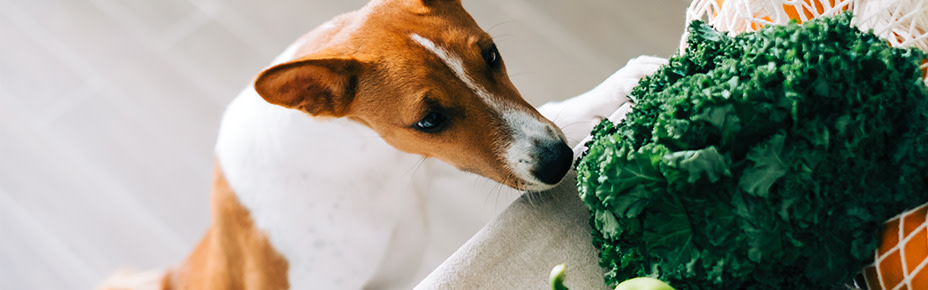
[TRANSLATION ERROR] Welches Gemüse dürfen Hunde essen? Wirf einen Blick in unsere Übersicht!
1. Spirulina
The green freshwater algae spirulina may seem a bit unremarkable at first glance, but it hides more power than you might assume. It provides your four-legged friend with valuable vitamin A, which the body needs to support intact vision. The spirulina algae also helps maintain healthy gut flora.
The contained chlorophyll helps to filter out toxins from the blood and aids in keeping the immune system fit. As if that weren't enough green-packed power, the algae contains a lot of protein for healthy, natural muscle development.
2. Green-lipped mussel
What the New Zealand indigenous Maori discovered many years ago was also noticed by researchers in the 1970s: the supportive properties of the green-lipped mussel on joint health. Its anti-inflammatory effect has been proven in numerous scientific studies on dogs.
The high content of valuable omega-3 fatty acids and antioxidant trace elements such as zinc and copper are partly responsible for the superpowers of this special mussel. The mussel meat also provides plenty of chondroitin and glucosamine, which are components of cartilage, skin, and ligaments. They contribute to cartilage regeneration and ensure healthy joint function.
Unser Futter für Hunde: gesund, ehrlich, lecker.
3. Yeast
Yeast shines with a variety of B vitamins. In particular, vitamin B1 is known for its central role in carbohydrate metabolism and in the formation of nerve cells. Yeasts are generally used as →probiotics - microorganisms that can improve the composition of a healthy gut flora and thus indirectly support overall health. Because a healthy gut flora is essential for optimal digestion.
Specifically, brewer's yeast is enjoyed by most four-legged friends. It enhances the natural meat flavor of the food - the so-called "umami" - and is thus a natural and healthy →appetite enhancer. Yeast in food is very suitable for healthy animals, which you want to provide with additional vitamins or who are simply poor eaters. But also for seniors, whose sense of smell and taste declines with age, or four-legged friends with kidney diseases, who have an increased vitamin requirement, yeast is an important, healthy addition.
4. Seaweed
Seaweed shines with a high content of iodine, which is a central component of thyroid hormones and thus essential for the function of a healthy thyroid and energy metabolism.
Seaweed is suitable in the form of seaweed meal as a natural iodine source in food and can thus prevent a feeding-related iodine deficiency. In the case of iodine deficiency, not enough thyroid hormones can be produced. The consequences are diverse: fatigue, loss of performance, →weight gain, hair loss, and in some cases also growth and fertility disorders.
It is important that you always adhere to the feeding recommendation when giving products containing seaweed meal, so that your four-legged friend's thyroid is neither over- nor under-supplied with iodine and thus the metabolic processes in the body can run optimally.
5. Salmon oil
→Salmon oil is particularly rich in omega-3 fatty acids. These long-chain, polyunsaturated fatty acids are considered very healthy fats. For dogs and cats, these fatty acids are essential, meaning our four-legged friends cannot produce them themselves and must therefore regularly obtain these fatty acids through food.
EPA and DHA are two special omega-3 fatty acids that only occur in animal fats, not in vegetable oils. They play a significant role in inflammatory processes in the body and can counteract them. Supplementing with salmon oil can be beneficial, for example, in cases of chronic diseases of the intestines, skin, joints, as well as in cancer or gum inflammation. Additionally, fish oil supports the →skin and coat health of healthy four-legged friends. A true all-rounder!
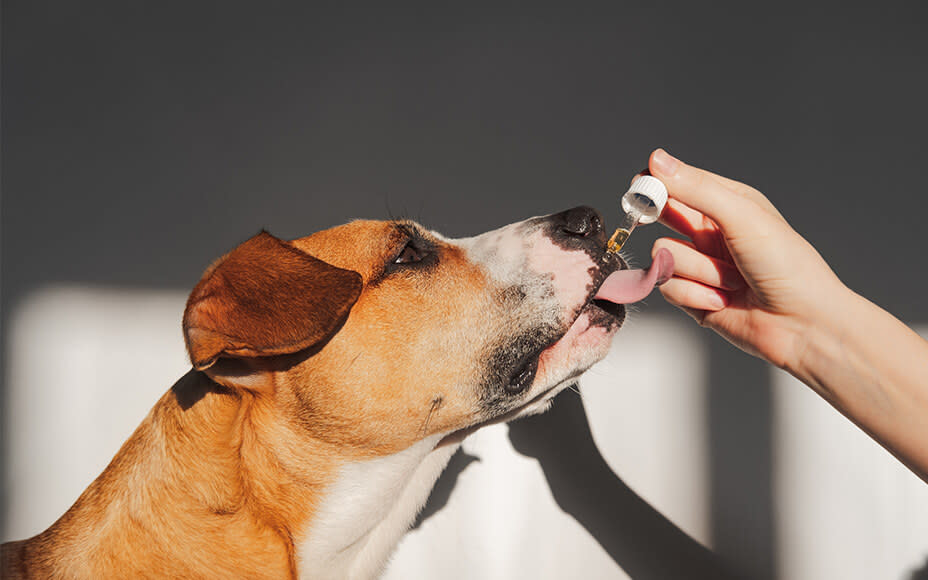
[TRANSLATION ERROR] Hochwertige Öle können als Ergänzung zum Futter einen wertvollen Beitrag zur Gesundheit deines Hundes leisten.
6. Hemp seed oil
Hemp seed oil contains essential omega-6 and 3 fatty acids, which - as you have just learned - our four-legged friends cannot produce themselves. The former are particularly important for skin and coat health. A deficiency often manifests as hair loss, dull coat, frequent infections, and poor wound healing of the skin.
Hemp seed oil is also rich in vitamin E, a natural so-called antioxidant. Antioxidants ward off free radicals, aggressive oxygen molecules, and thus protect against cell damage. Antioxidants can also support the immune system.
A →combination of an omega-3-rich oil (e.g., salmon oil) and an omega-6-rich oil (e.g., hemp seed oil) is very sensible, as your four-legged friend is thus provided with all important essential fatty acids. This is especially important when →BARFing, where you are responsible for ensuring that your pet receives all the nutrients it needs for a healthy life as opposed to feeding complete feeds. But even if you simply want to support your pet's health additionally, you can rely on these two valuable omega-3 and -6-rich oils.
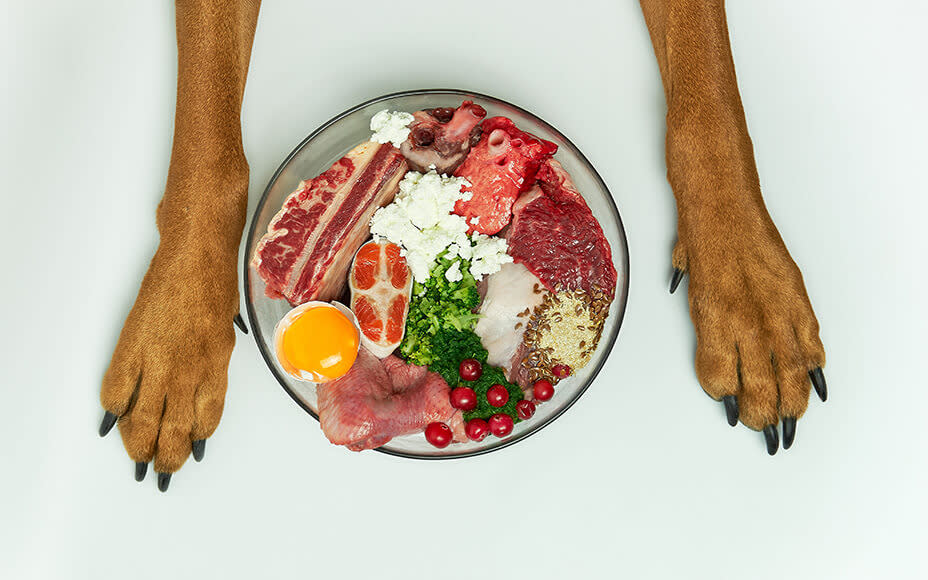
[TRANSLATION ERROR] Auch beim BARFen werden frische Zutaten wie Brokkoli und anderes Gemüse zusammen mit rohem Fleisch, Ölen und Mineralstoffen gefüttert.
7. Devil's claw root
In southern Africa, the positive properties of devil's claw root have been utilized for a long time. Whether digestive issues, fever, or ulcers: this root was already used back then for inflammatory processes and pain conditions.
And even if your four-legged friend loses its appetite: the devil's claw root is considered to be extremely appetite-stimulating and supportive in cases of digestive disorders. Additionally, it can contribute to supporting cartilage and joint metabolism.
It is important to know that the root is only limitedly suitable for cats - the administration should always be done only after consulting with the veterinarian.