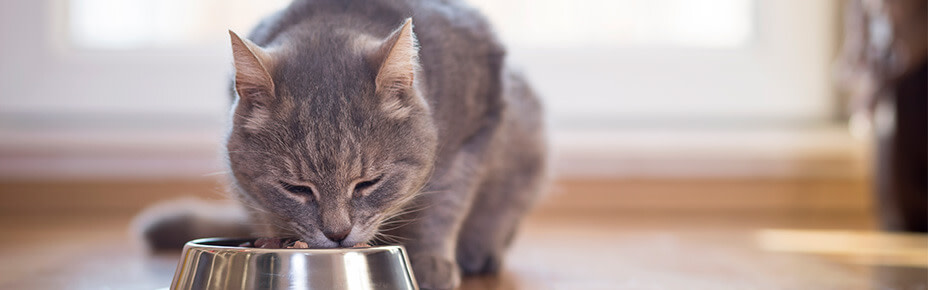
Senior cat food: How to feed your older cat properly and healthily
Your kitty doesn't jump around the apartment like she used to, her fur is slowly but surely showing gray hairs and even digestion isn't as smooth as before? Then your beloved four-legged friend - usually from the 8th year of life - is gradually becoming a senior and there are a few things you should pay attention to. An adjusted diet is important in old age and with the physical changes there often comes a new culinary delight in the food bowl. What you should consider when feeding your old cat, you can find out here.
Why is senior food useful for older cats?
As they get older, the metabolism changes – not only for us humans does everything slow down a bit, but also for our cats the muscle mass decreases and not all organs perform at full capacity. In addition to a slower intestine due to decreased enzyme activity, many cats also experience a decline in kidney function. Food for adult cats usually contains just the right amount of vitamins and trace elements. Your old feline still relies on these, while her energy consumption drops. The need for different food components thus changes with age and at the latest by the 12th year of life an adjustment in food is important. Senior food contains:
the right amount of protein for healthy kidney function
more vitamins and minerals (especially folic acid, B and D vitamins)
a lower phosphorus content, which relieves the kidneys
increased fiber content to stimulate the intestines
Note that as part of a →species-appropriate diet for your old cat, you should always choose a high-quality food. Sugar, grains, and artificial additives can promote diseases and have no place in your pet's food.

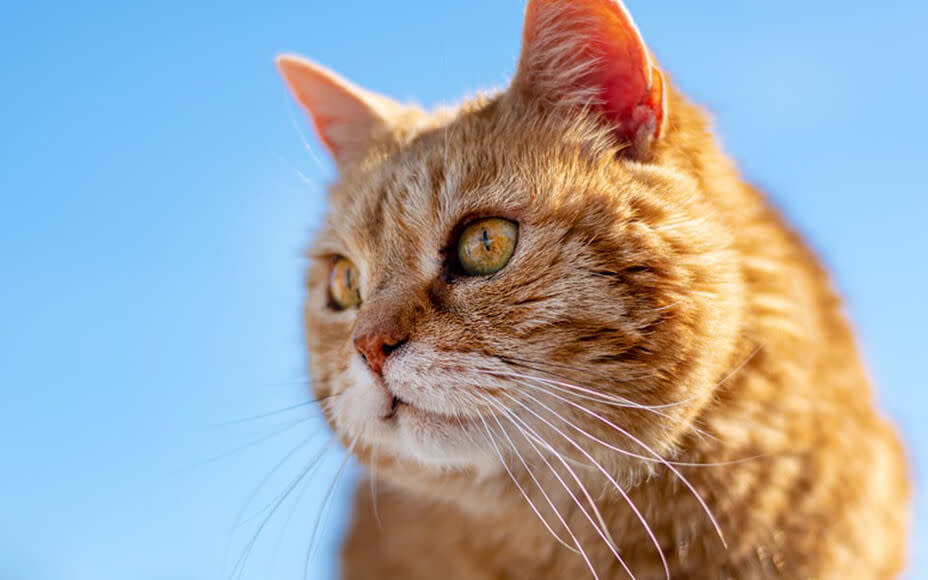
A senior food is essential for older cats, because physical changes also mean that nutrients and proteins are needed in different amounts.
Illnesses in older cats and the right diet
Some felines develop illnesses such as →diabetes mellitus, →kidney insufficiency or →liver problems as they age. If symptoms appear and your cat behaves differently than usual, you should also have a vet check whether a →food change is advisable. Sick pets have special needs and, as part of treatment, the use of special diet foods is often sensible and important.
With Pets Deli VET we make it easy for you to serve your feline friend food tailored to their individual needs . And the best part: your pet doesn't have to miss out on gourmet delights. Our special food with adapted recipes is very popular in special cases (and coats) for its taste. Because we adhere to strict guidelines and requirements regarding composition and properties, our VET food is the ideal supplement in case of illness.
By your side throughout treatment: Pets Deli VET
Dry food or wet food: What is the best food for older cats?
A →suitable senior food is tailored to the needs of a cat in advanced age. Usually, this is wet food, because our feline friends no longer have the best teeth and dry food is considered by many cats to be too hard to chew and is often rejected. The pleasantly soft texture of wet food is very attractive to older cats. The →right feeding method is individual for each cat and when choosing, it depends on what your pet tolerates best and likes to eat.
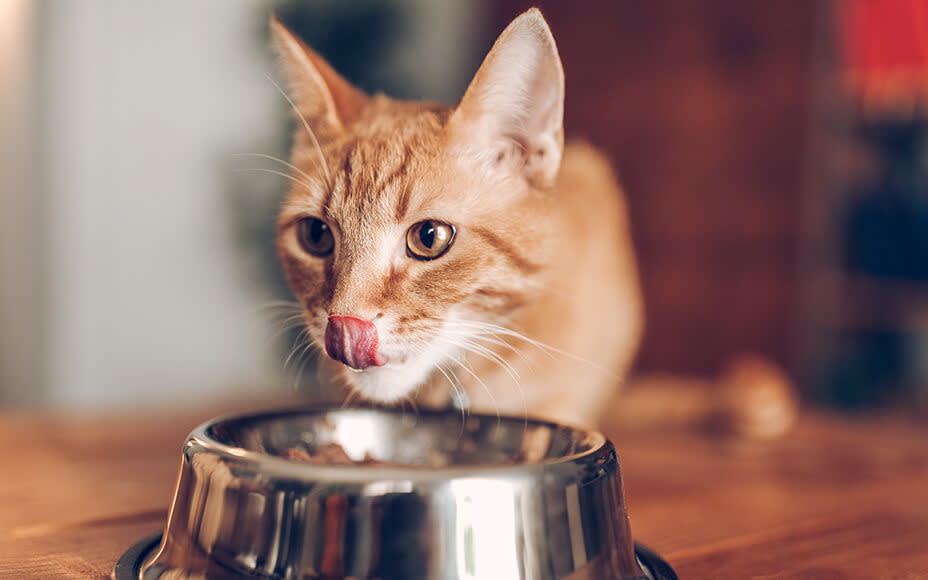
Older cats usually prefer wet food, which is easier to chew thanks to its soft, varied textures.
The right →senior cat food can be recognized by the composition. Look for a short, transparent ingredient list. Instead of animal by-products the exact meat cuts should always be listed. High-quality proteins are obtained by your cat from muscle meat and organs such as heart or liver.
An adjusted, reduced protein and phosphorus content relieves the kidneys and provides your cat with just the right amount of energy for a less active daily life. At the same time, vitamins and minerals in higher amounts should be present to meet the needs of your elderly cat. Healthy fruits or vegetables provide fiber, which gets sluggish digestion in your old cat going. The nutritional additives should be clearly listed – so you can see if your cat is getting what she needs.
At Pets Deli, you'll find exactly that: We have no secrets from you and you can see exactly for each food, what you are feeding your cat: a high meat content, fresh fruits and vegetables, rich oils, and healthy herbs.
How much food do old cats need?
How much food your old cat needs can be found in the →feeding recommendations for each food. Once you have selected the right senior food for your cat, it's best to follow these recommendations. This way, your cat gets all the nutrients she needs in the right dosage.
Loss of appetite? Old cats and food refusal
Your old kitty just sniffs at the bowl, turns away, and her food stays in the bowl? →Loss of appetite and food refusal in cats can have various causes in old age. These include, among others:
Dental problems, which make chewing food painful
too large portions
declining sense of smell
preference for wet food
limited mobility
Older cats often lack what makes food so attractive to them: their sense of smell. To counteract this, you can easily enhance your pet's food with our →tasty salmon oil or the →acceptance booster. Sometimes, a →flavorful cream snack is all your cat needs so she can smell her food better.
How your cat snacks healthily & deliciously
To rule out health issues, you should take your pet to the vet if food refusal persists.
Weight problems in older cats
Due to the changed metabolism, it can happen that your old cat doesn't always maintain her →ideal weight. Whether a couple of extra rolls of fat or a few grams too little on the scale: With the right measures you can help your old cat.
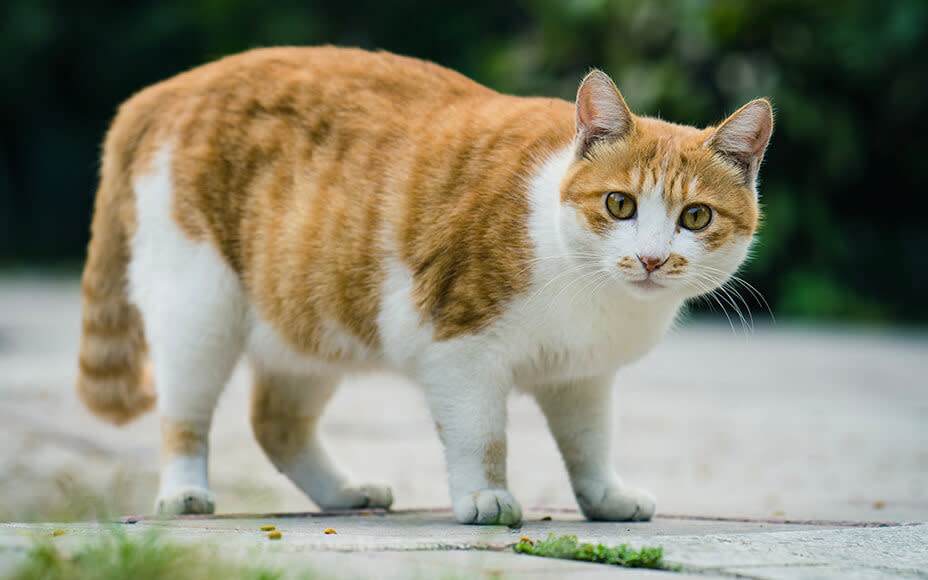
Whether too thin or too overweight: weight problems are increasingly common in cats. With a healthy diet and the right amount of food, you can prevent this.
My old cat is overweight
Being overweight is a burden for your cat, and especially in old age, when the joints become stiffer and muscle mass decreases, appropriate countermeasures are all the more important. First, check whether your cat is really getting the amount of food stated on the package. Does she perhaps sneak an extra treat here and there during the day a tasty snack? Too many snacks exceed the energy needs of your old cat. If she also moves less, overweight is inevitable.
With our calorie-reduced, low-fat wet food Pets Deli VET Diet & Weight Management with just 72 kcal per 100g you can easily help your cat reduce excess body weight – ideally combined with plenty of exercise.
Get to the Bacon: With Joy in the Bowl to Less Weight
Why do old cats get thin?
If your →old cat keeps getting thinner, you're probably hearing all the alarm bells. If your cat is losing a lot of weight but still eats as much as she can, it's recommended to have an examination at the vet. If your cat picks up parasites like →roundworms or →tapeworms she can lose weight. Even if your cat is too thin, you should check whether your pet is getting enough food. Is she getting the recommended amount of food or are you just guessing?
But don't worry if your cat loses a bit of weight as she ages: Most pets lose weight as they get older, which can be explained in part by the loss of muscle mass and connective tissue . Your cat will thus become lighter and visibly thinner.
Even though the aging process doesn't pass our pets by, you still have many wonderful years ahead. And what's wrong with spending the four-legged retirement together on the sofa with plenty of cuddles and delicious snacks?