Where do my dog's skin problems come from?
Have you noticed that your dog has been scratching more than usual lately or is suffering from hair loss and its coat is no longer as shiny as it used to be? Then there may be skin problems behind this. These can have a wide range of causes. Our Pets Deli veterinarian discusses common symptoms and causes of skin problems in dogs in this article and explains when you should see your vet.
Skin problems with hair loss and itching in dogs
Is your furry friend scratching a lot and also suffering from hair loss? There can be various reasons for this, which are divided into infectious and immune-reactive causes:
Infectious causes
Infectious causes include parasites, bacteria and fungal infections:
Parasites
Parasites are the most common cause of hair loss with itching. →Ticks, →Fleas and →mites are among the best-known ectoparasites. But lice and chewing lice can also play a role in our four-legged friends. Some of these feed on blood and cause itching due to their bites and crawling on the body. Some dogs also have an allergy to flea saliva, which means that even a very minor flea infestation can lead to severe symptoms. For these dogs in particular, →adequate flea prevention is essential.

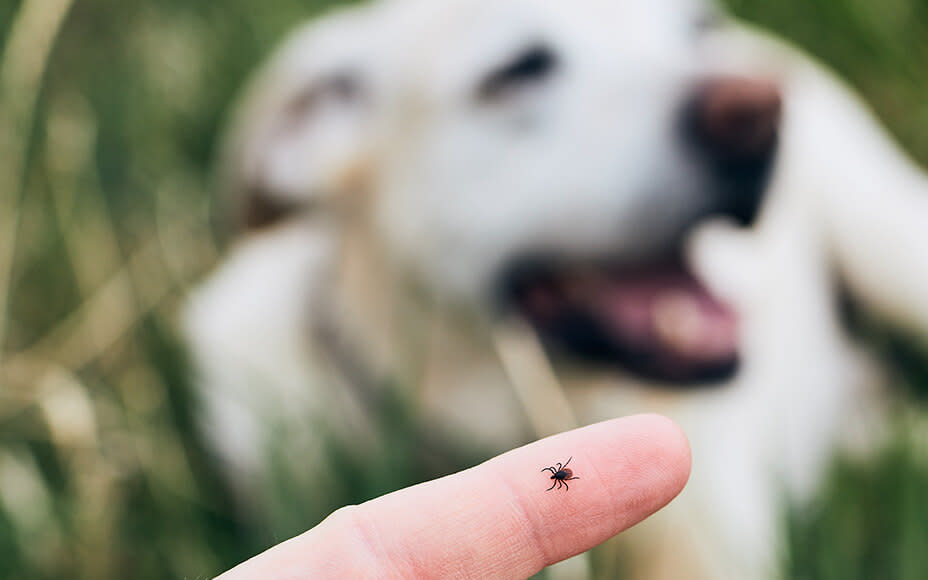
Some oils are said to naturally protect against ticks. Whether this is really true often remains to be discovered for yourself.
Bacteria
Another infectious cause of itching in dogs is bacteria. This is often based on an allergy and leads to a vicious cycle. The allergy causes itching. Due to the itching, the dog scratches itself, causing the skin to become inflamed and bacteria to colonize, which in turn leads to more itching.
In addition, skin folds are often affected by bacterial skin infections (dermatitis) affected. This always occurs when there is "excess" skin and skin folds lie on top of each other, for example on the lips, around the eyes or also in the vulva area. The skin rubs against itself, making it moist and warm, which is an ideal environment for bacteria. The irritation and bacteria then cause itching.
Especially dogs with a lot of skin such as the Shar-Pei or brachycephalic breeds like the Pug or French Bulldog are affected here.
Fungal infections
Another infectious cause of hair loss with itching is fungal infections. These changes can be treated with antimycotic medications, that is, drugs specifically against fungal infections.
Immune-reactive causes
In addition to parasites, →allergies are among the most common causes of hair loss and excessive scratching, licking, and chewing on the paws. Our dogs can be allergic to a wide variety of things, such as house dust mites, mold, flea saliva, or grasses.
Also, →food allergies occur. According to a German study, the majority of food allergies are attributed to the following allergens: beef, grains, rice, chicken, dairy products, lamb, pork, fish, turkey. The diagnosis of a food allergy can only be proven through an elimination diet over several weeks This requires a protein source your four-legged friend has never eaten before and a hypoallergenic carbohydrate source, such as our →hypoallergenic food.
Ideal for Allergies and Intolerances - Hypoallergenic Food
There are also some autoimmune diseases, which can lead to itching and hair loss. These include, for example, lupus erythematosus or pemphigus foliaceus. Other possible causes of itching can be disorders of skin formation (keratinization disorder) or certain types of tumors.
As you can see, there are numerous causes of hair loss with itching. If you notice that your dog is constantly scratching and licking itself, you should definitely make an appointment with your vet so you can work together to find the cause and choose the right therapy.
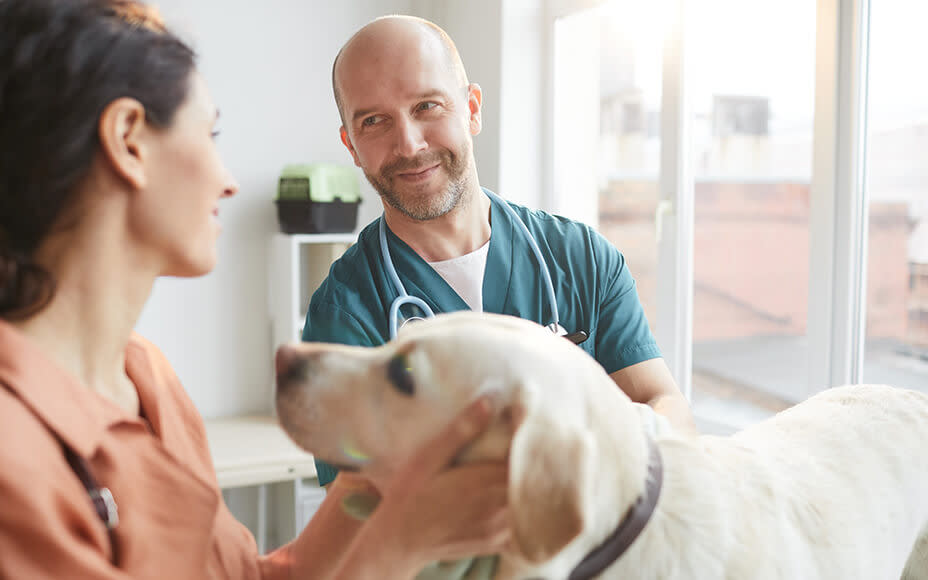
Frequent scratching, hair loss, and other skin problems should be examined by a veterinarian. The causes may be harmless, but they can also be more serious.
Skin problems with hair loss without itching in dogs
If your dog is experiencing hair loss without any itching, this usually has other causes:
Endocrine causes
Endocrinological diseases affect the hormone-producing organs of the body. If these organs are affected, hair loss can be one of the symptoms. With →Cushing's syndrome for example, hair loss on the belly is typical.
Nutritional causes
Hair loss without itching can also be caused by nutritional deficiencies Vitamin A or E deficiency, too few essential fatty acids, or a deficiency in biotin or zinc can lead to hair loss. That's why you should pay attention to a →healthy and balanced diet for your dog.
A look at the labels of conventional dog food shows that different standards apply to pet nutrition than for us. It's not uncommon to find animal by-products, sugar, grains, and other questionable additives. The right →composition of the food consists of meat (or also →vegan or vegetarian protein sources such as millet or amaranth), →vegetables, fruit, →oils and →herbs and has a major impact on your dog's health.
Our dog food: healthy, honest, delicious.
Other causes
Psychogenic, toxic, or traumatic causes can also be responsible for hair loss. →Stress or →anxiety can also trigger skin problems such as →dandruff or acute hair loss. Perhaps your pet's collar or harness is rubbing and that's why it's losing hair in certain areas.
Causes of dull coat in dogs
Your pet is not suffering from itching or hair loss, but its coat is no longer shiny and looks dull? This is often due to nutritional causes. Not all available foods are ideal in composition, and this can lead to deficiencies in certain nutrients and vitamins. Especially during →coat change the need for certain nutrients can be increased. Too high a grain content or added sugar can promote the growth of "bad" bacteria in the gut and thus also lead to a dull and lackluster coat. That's why healthy food is very important. Additionally, you can support your dog's skin and coat health with our →Skin & Coat Tabs.
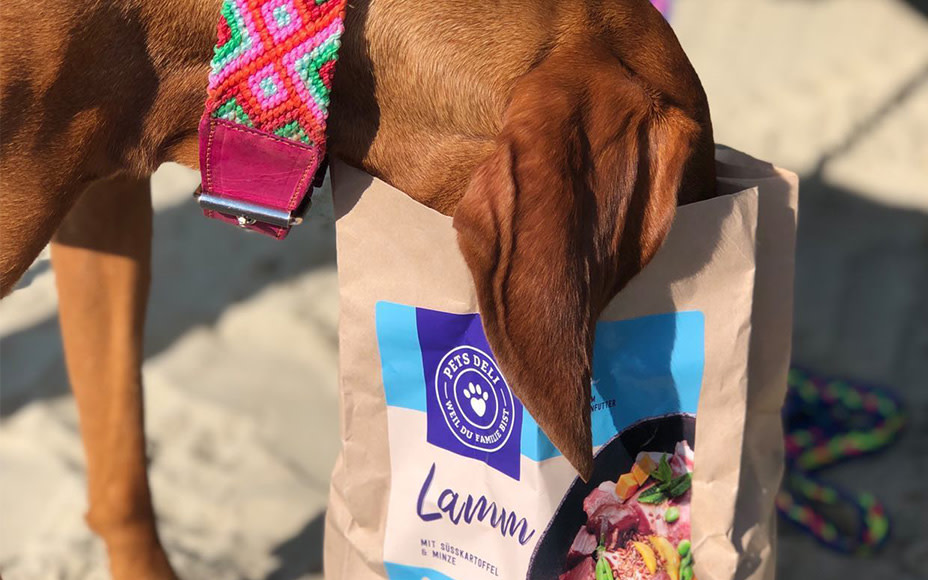
Packed with good ingredients for healthy coat care and a tasty meal in the bowl.
How can I help my dog with skin problems?
Skin problems in dogs can show up with various symptoms and the causes are different. Since itching and hair loss can also be caused by serious illnesses, you should definitely seek veterinary advice seek. Only through a thorough examination and, if necessary, further diagnostics can the cause of your dog's problems be found.
If your pet has a dull coat and everything was fine at your vet's checkup, there are a few things you can do.
High-quality food
As mentioned above, not every available food is ideal in terms of nutrient and vitamin composition. Make sure to buy high-quality food without added sugar.
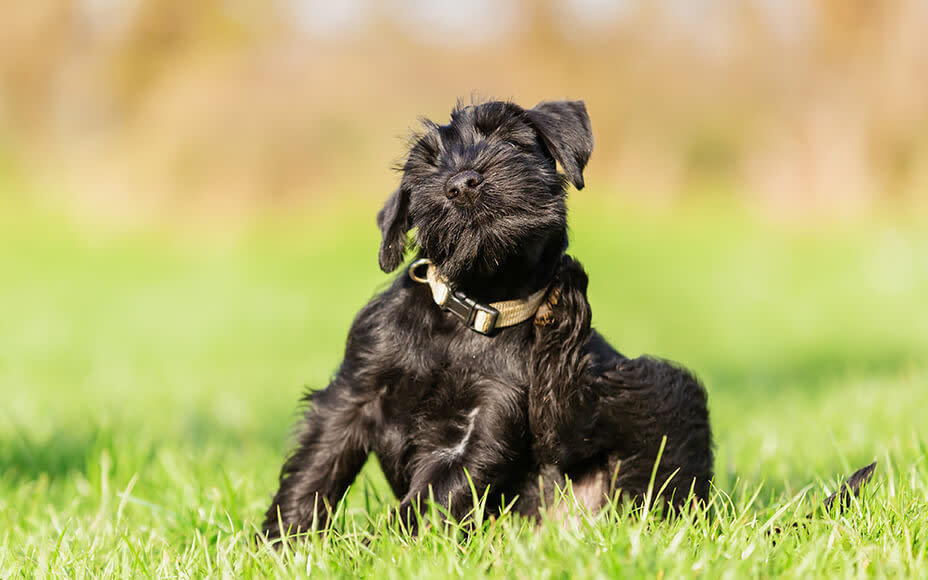
When the fur itches: Many four-legged friends react to a food by experiencing unbearable itching and constantly needing to scratch themselves. The result is open, inflamed spots on the skin.
Avoid excessive washing
By bathing your pet too often you can destroy the dog's natural protective barrier of the skin, which can make the skin flaky and dry.
Regular brushing
If you →brush your dog's coat regularly, this removes dandruff and loose hair. It can also stimulate the blood circulation in the skin and thus ensure a shiny coat.
Oils and other additives
Omega-6-rich oils, brewer's yeast, and biotin can help make your pet's coat shine again. Particularly well suited →oils include, for example, safflower oil, evening primrose oil, grapeseed oil, hemp oil, black cumin oil, or →our Skin & Coat Oil. You can simply mix a little of this (the amount varies depending on the oil) into the food every day. There are also →supplements that provide your pet with an extra portion of vitamins and nutrients for skin and coat health.
Just as varied as the causes are the treatments for skin problems. Parasites can be treated with medication, while nutritional deficiencies can be detected in blood tests. Autoimmune diseases and allergies are much more complex in diagnosis and therapy.
We wish you and your furry friend all the best and hope that you find out where your pet's skin problems come from and quickly find a suitable solution.