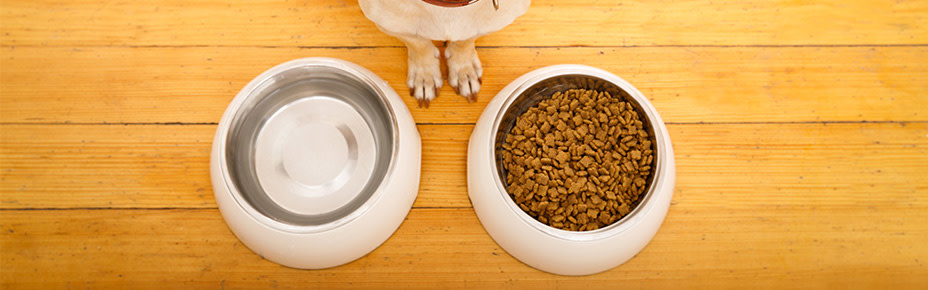
Help! My dog won't eat anymore – food acceptance in dogs
Has your dog recently started refusing its food? Food refusal and →loss of appetite in dogs or puppies can be due to various factors:
From a changed health condition
to possible behavioral problems
all the way to the food you offer.
First things first: dogs are naturally able to go without food for longer periods without any problems, as long as they are otherwise healthy. If their loss of appetite is due to their behavior, a dog is usually still willing to eat something – especially new food or treats.
However, to properly address a dog's loss of appetite, you need to know where it comes from. That's why we've put together a guide to the most common causes of reduced food intake and complete food refusal in dogs along with tips.
You want to →feed your dog a healthy diet and at the same time provide the best taste experience for your four-legged friend? At Pets Deli, we use only high-quality ingredients – you won't find sugar, grains, or artificial additives in our products!

Is your dog a picky eater?
Discover our food specially formulated for picky and fussy dogs
Causes of food refusal – why won't my dog eat?
High standards
Dogs are not born picky – they learn to be picky. This is most common in smaller dog breeds that have been offered a variety of foods. If your dog refuses its food once and you immediately offer a different variety, they will remember this and become increasingly picky.
Additional offers like treats can provide your dog with more calories than owners realize, so your dog doesn't feel as hungry and can easily do without other foods. Also, keep in mind that dogs who receive table scraps and leftovers often become even pickier.
The same applies to dogs that are not fed on a schedule – four-legged friends who learn to be fed at specific times, are much more likely to eat than those who are unsure when their next meal will be.

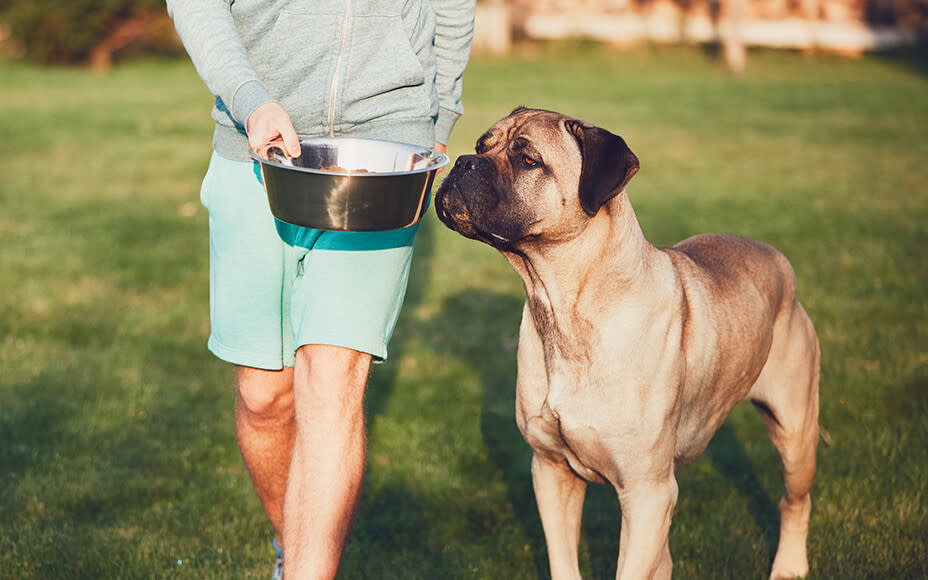
A food that makes our dog lick its chops – that's what we all want! This is where it's worth choosing high-quality pet food.
Poor quality food
What can also cause a dog not to eat is poor quality food. In terms of →species-appropriate and healthy nutrition for dogs, quality plays the most important role. The following problems occur with poor quality:
Food that has gone rancid: Some dogs recognize and refuse food that has gone rancid. This can happen if the fats contained have deteriorated due to poor storage or because of the age of the product deteriorated.
High-fiber foods: High-fiber foods are less tasty to dogs than foods with a lower fiber content. Especially cheap foods often contain a high proportion of →grains, which may be filling but simply don't stimulate appetite.
Previous contact with fresh, preserved, or raw diets: Dogs may avoid regular foods after having enjoyed fresh, preserved, or raw foods such as →BARF. These are richer in aromas due to their extra moisture, which dogs react strongly to.
How do I know if it's due to poor quality food?
If you offer your dog a new portion of its usual food and it eats it immediately, it's possible that the previous portion was not good. Of course, you can also notice poor quality by a change in texture, a foul smell, or by checking the ingredient list. Are animal by-products listed without specific breakdown?
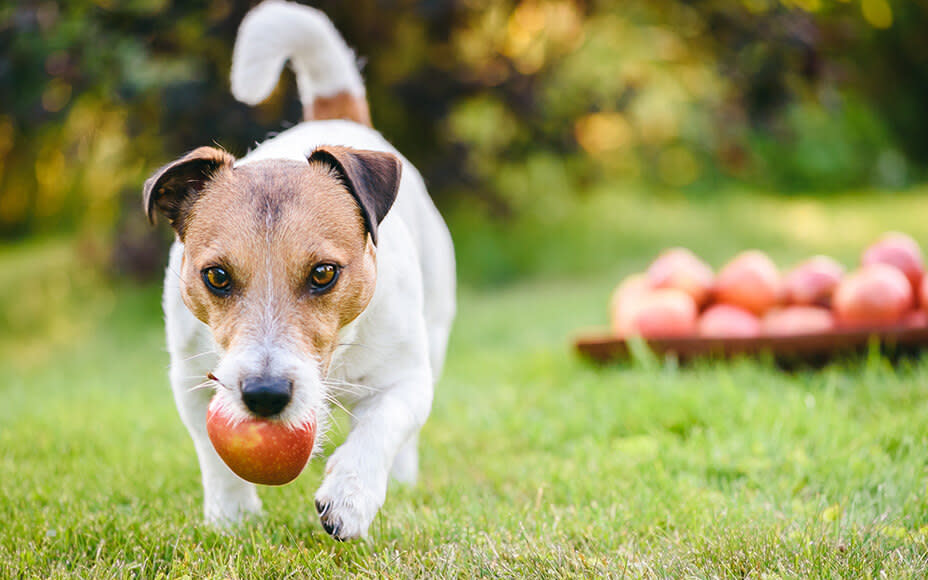
A species-appropriate food should consist of a highly digestible protein source as well as fresh vegetables and fruit – refined herbs and oils provide minerals and essential fatty acids.
Bored with the bowl?
Could it be that my dog is simply bored with its usual food? Most likely not.
This seems very unusual unless there is another factor, such as the introduction of new foods or treats. Many dogs are happy to eat the same food as long as it is offered. If a dog doesn't know that other options exist, it is quite unlikely that it gets bored.
If a dog suddenly decides it doesn't want to eat its usual food anymore, it may have learned to be picky, or it could be that it has become picky. It could also be that the recipe of the usual food and thus its taste has changed.
Stress in the household
New four-legged friends or new people in the home can be stressful for your dog, especially if it is already a bit older, very set in its ways or naturally rather shy.
→Stress can significantly affect a dog's appetite, as they tend to focus more on what's happening around them rather than eating.
How do I know if stress is the problem?
Assess whether your dog shows basic enthusiasm for its food, depending on how routine and calm its environment is. Dogs with new, permanent changes in the home (like a new pet or a baby) usually return to their usual eating habits after a week or two.
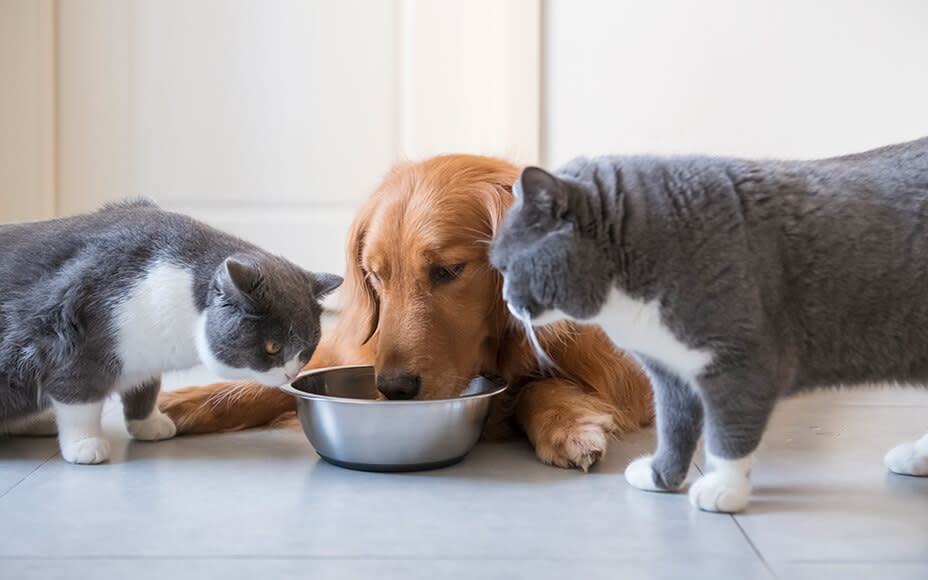
If a new pet moves in with you or there’s a new two-legged addition to the family, it can sometimes upset your dog’s stomach.
Too many snacks
Treats are very often the reason why your dog becomes picky. When dogs get lots of treats of various types and flavors , they expect the same from their food. Also, treats provide your dog with extra calories, which fill your furry friend up a lot and make it easy for them to skip their food.
Dental problems
Dogs often don't show their owners when they are in pain. Tooth pain is no exception. Routine →dental checkups at the vet as well as →regular tooth brushing are the best prevention against →tartar and worse. Dental problems include root and jaw infections, loose teeth, or even tooth loss.
When such problems occur, a dog may reduce its food intake, drop food, or completely refuse food (especially hard foods like bones and dry food).
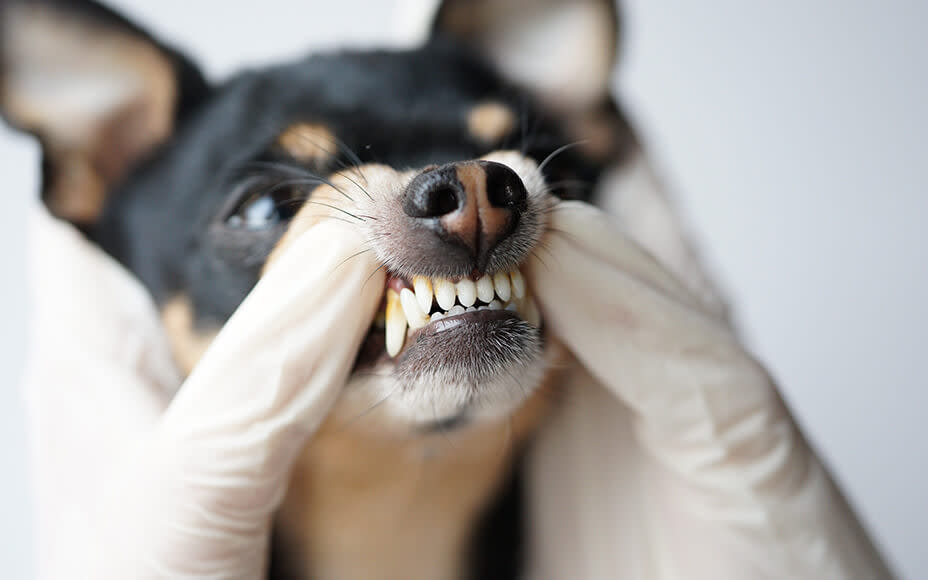
Get to the root of the problem: If something is wrong with dental health, periodontitis can develop, leading to inflammation and loss of appetite.
How do I know if my dog has dental problems?
If your dog stops eating, it's not a bad idea to take a look in your dog's mouth or have a veterinary check-up. Bad odor, loose teeth, or large amounts of tartar can also be signs that something is wrong. Even during →teething pain and itching are common issues at this stage. If it doesn't resolve on its own, a visit to the vet is recommended.
Keep it clean! In addition to brushing teeth, you can also offer your four-legged friend a tasty chew snack for dental cleaning. At Pets Deli, we want above all one thing for your dog's teeth: long-lasting chewing fun and optimal removal of plaque.
Bite-resistant chew snacks for every chewing pleasure!
Physical & medical causes
Most cases of prolonged, i.e. lasting more than three to five days, complete food refusal and thus chronic undernourishment result from a specific physical or medical condition.
Examples of disease-related causes of loss of appetite can be pain, caused for example by acute tissue injuries or →joint inflammation. Kidney, liver, or heart diseases that alter blood concentration can cause →diarrhea, →vomiting and →constipation, as can gastrointestinal problems.
Constipation, diarrhea, intolerances, or allergies to a specific food, →parasites or intestinal diseases can also cause your pet to stop eating.
But how can I tell if there is a physical or medical problem?
It is very important, if you see signs of a disease-related problem, to visit a vet and describe any changes you have observed in your pet. Often, the vet can help you through blood, stool, or urine tests of your dog to find a cause for the change and adjust the feeding to your dog's needs.
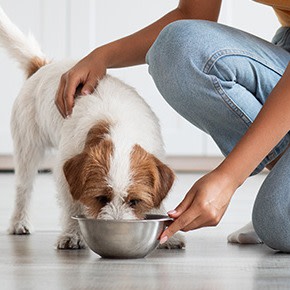
S.O.S: Food allergy
What you can do in case of an allergy!
With Pets Deli VET we are by your side if your dog needs specialized food in addition to treatment. Whether it's joint, liver, kidney, or weight issues: we're prepared for every case (and coat)!
Supporting you during treatment: Pets Deli VET
Age
When dogs get older, they are not as active anymore and also need less energy from their food. Small dog breeds are only considered seniors from 8-10 years old, large dog breeds can already be seniors at 6 years old. As they age, it's important that your dog receives →specialized food tailored to seniors to meet their energy and nutrient needs.
If an older dog is otherwise healthy, cognitive changes can also affect its diet or appetite . It's not necessarily a problem if a senior eats less, as reduced activity can quickly lead to weight gain, which in turn is not good for the dog's joints.
Regular routine check-ups at the vet can detect changes early, allowing you to adjust the diet accordingly and thus avoid loss of appetite.
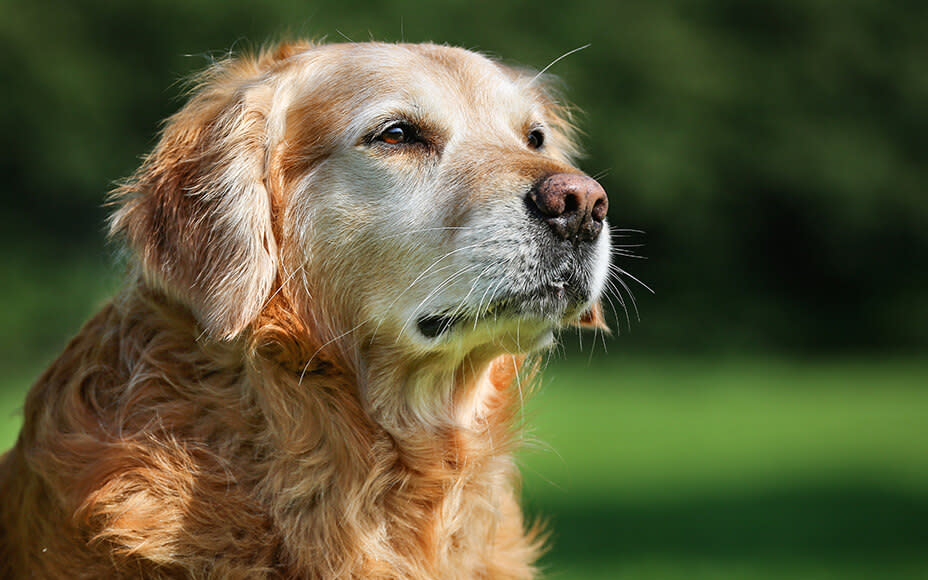
As our dogs get older, their needs change significantly. A food adapted to these changes ensures quality of life.
9 tips that can stimulate appetite
If you suspect that your dog's eating behavior is influenced by behavioral problems, the following tips may help you get your pet eating normally again:
Try a new food to see if your four-legged friend generally doesn't want to eat or is just tired of its old food.
Try to stick to a fairly strict feeding schedule with set feeding times.
Take the bowl away again, if your dog hasn't eaten after 10 minutes. This way, your dog learns that it doesn't always have the opportunity to eat and can "lose" its food.
Avoid treats. This reduces excess calories.
Warm up the food slightly, for example using a water bath, or add some warm water. The warmth intensifies the smell of the food and makes it more attractive.
Try a new feeding location, maybe the bathroom or hallway. Smaller, quiet rooms offer your dog more security. Also avoid noise, stress, and the presence of strangers while your dog is eating.
Do a short training session with your dog before feeding. This stimulates your dog's metabolism and increases appetite.
Bring some variety into feeding. For example, by offering different varieties of food. But keep in mind that rotating varieties should not be done too often, so your dog doesn't start waiting for something better or new.
Test a new bowl ! Many dogs don't like eating from aluminum bowls because they reflect. The sound of food in the bowl can also be a disturbance. Plastic bowls can also change the taste of the food due to plasticizers. For example, try ceramic or glass bowls or even a regular plate.
No need to worry
As you can see, there are many levers you can adjust if your beloved pet refuses its food. And often it resolves on its own. However, since persistent refusal can also be a sign of a physical problem, you should always observe your dog to see if any other unusual symptoms occur.
If there is no improvement in behavior after 3 days, consult your trusted vet. Together you will find a solution to the problem so your four-legged friend can once again enjoy their meals.